

Workout apparel design is the deliberate integration of fabric technology, ergonomic fit, and aesthetic choices to optimize athletic performance and wearer motivation. Most people treat gym clothes as an afterthought, but the research says otherwise. A 2026 study found that garment fit influenced self-confidence at a statistically significant level (F(1,252)=21.58, p<0.001), placing activewear design squarely in the category of performance tools. The industry term for this field is functional sportswear design, and it covers everything from fiber selection to color psychology. Understanding why workout apparel design matters gives you a real edge in how you train, recover, and show up mentally.
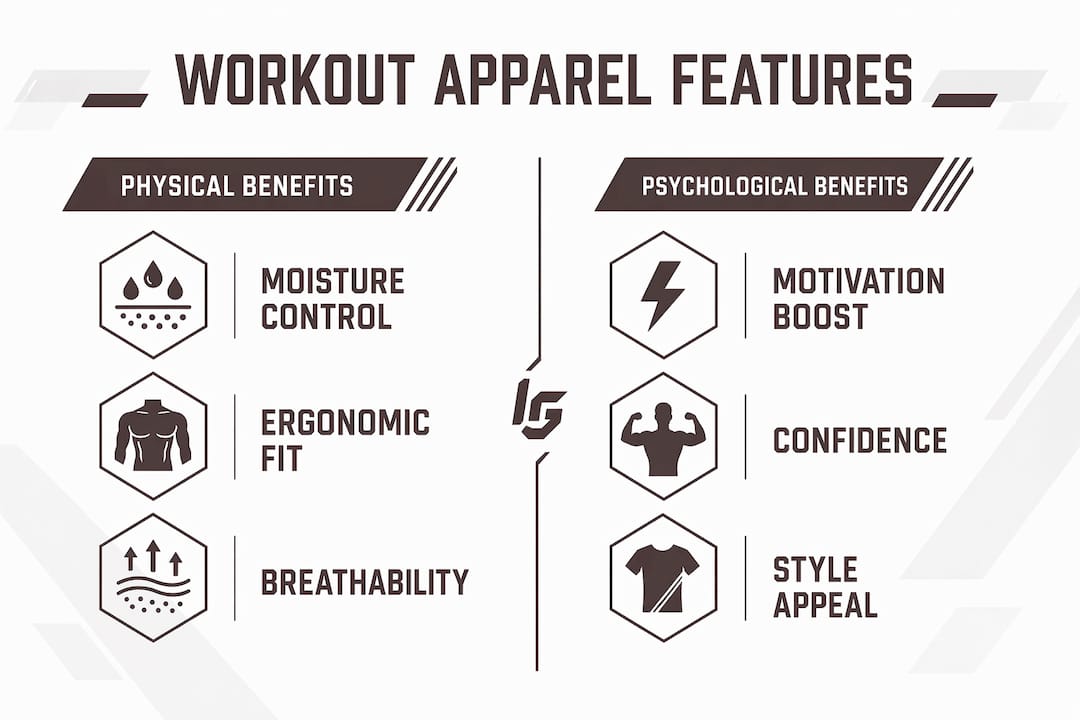
Why workout apparel design matters: fabric and moisture management
Fabric is the foundation of every performance claim in activewear. The fiber type, knit architecture, and surface texture all determine how your body manages heat and sweat during exercise. Getting this wrong means discomfort, distraction, and reduced output.
Knit structure changes everything
Two fabrics made from the same fiber can perform completely differently based on how they are knit. Research comparing polar eyelet and interlock constructions found significant differences in moisture spreading speed, wetted radius, and one-way moisture transport indexes. Polar eyelet fabrics wet and spread moisture faster, which matters most in high-sweat activities like HIIT or distance running. Interlock fabrics hold moisture closer to the skin, which can feel comfortable in low-intensity sessions but becomes a liability when sweat volume increases.
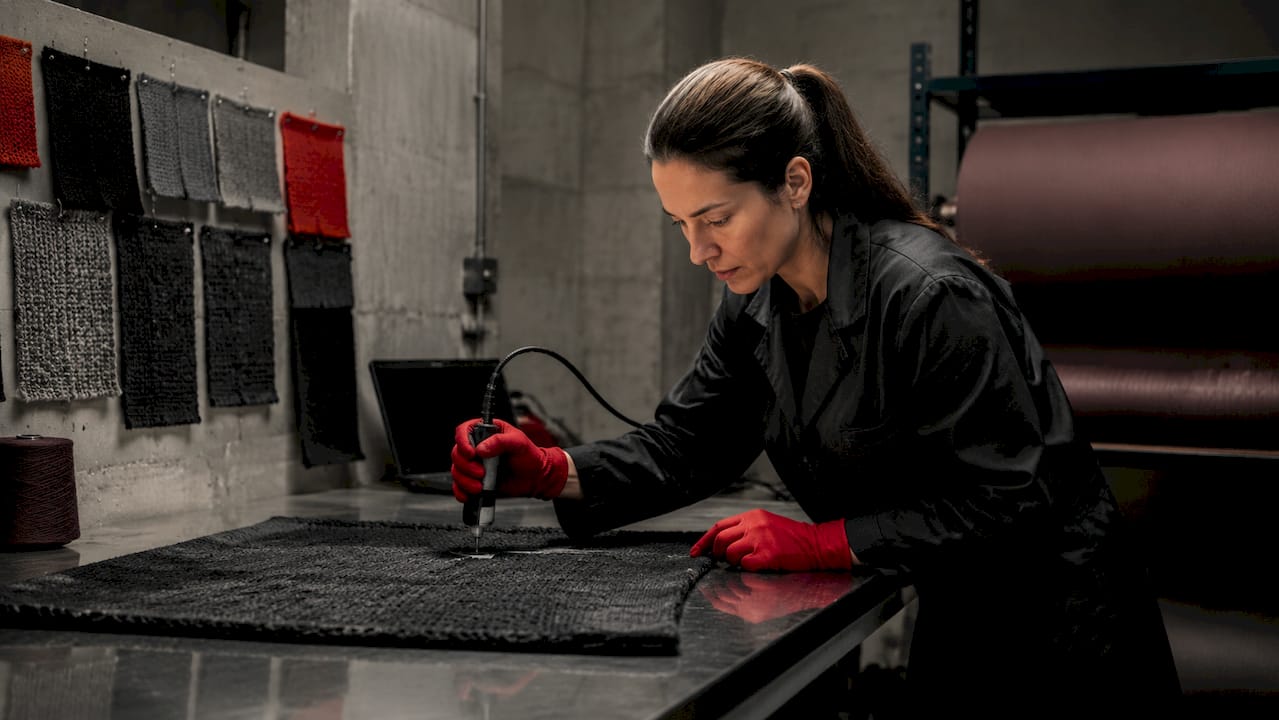
Advanced textile engineering and its real-world impact
Engineered sportswear fabrics using composite spinning with microporous fibers have achieved moisture-vapor transmission of 11,320 g/(m²·24 h), with excellent elastic recovery that lowers fatigue and improves comfort during training. That number represents a significant leap beyond standard polyester blends. It means your skin microclimate stays drier and cooler, which directly reduces the mental and physical drag that comes from overheating mid-session.
Comfort in sportswear is multi-dimensional. Research confirms that weight, breathability, moisture transfer, heat transfer, and tactile feel all contribute to how comfortable a garment feels, alongside psychological factors. No single fabric property covers all of these. That is why the best activewear combines multiple textile technologies rather than relying on one marketing claim like “moisture-wicking.”
| Fabric Property | What It Affects | Best For |
|---|---|---|
| Moisture spreading speed | Sweat removal from skin surface | High-intensity cardio, HIIT |
| Moisture-vapor transmission | Heat and humidity regulation | Endurance training, outdoor workouts |
| Elastic recovery | Freedom of movement, shape retention | Strength training, yoga |
| Tactile feel | Skin comfort, chafing prevention | Long-duration sessions |
Pro Tip: Match your fabric to your sweat output. If you soak through shirts in a 30-minute session, prioritize polar eyelet or microporous fiber constructions over standard interlock blends.
How does ergonomic fit affect workout performance?
Fit is not just about looking good. The way a garment sits on your body during movement determines whether it supports or disrupts your workout. Poor fit creates friction, restricts range of motion, and pulls your attention away from the work.
What the research says about fit and confidence
A 2026 randomized study with 256 participants showed that anthropometric fit vs. loose fit produced a statistically significant difference in wearer self-confidence during exercise. Self-confidence is not a soft metric here. It correlates directly with willingness to push harder, maintain form, and stay consistent. When your clothes fit your body’s actual dimensions during movement, you stop adjusting and start performing.
Sports bra design as a case study in fit failure
Sports bra fit is one of the most studied and most overlooked areas of activewear design. Research on tactical athletes found that 60% of participants reported fit problems, with 45% experiencing issues during cardio at all times. The most common complaints were excessive breast movement, chafing, and strap digging. These are not minor annoyances. They are measurable disruptions to comfort and willingness to participate fully in training.
The same research found that friction and motion issues concentrate at specific contact points depending on the exercise type. That means sizing alone does not solve the problem. The design of the band, strap placement, and cup structure must be evaluated for the specific movements you perform.
Here are the key ergonomic features to look for in workout apparel:
- Contoured seams that follow the body’s natural lines during movement, not just at rest
- Four-way stretch fabric that moves with you in all planes of motion
- Flat-lock or bonded seams at high-friction zones like underarms and inner thighs
- Adjustable or anchored straps that stay in place under load
- Band construction that provides compression without restricting breathing
- Gusset panels in shorts and tights that allow full hip flexion without pulling
Pro Tip: Try on activewear in the store or at home and go through the actual movements of your workout. Squat, lunge, reach overhead. If anything shifts, bunches, or digs in, the fit is wrong for your activity.
Does color in workout clothes actually affect motivation?
Color is not decoration in sportswear. It is a functional design element with measurable psychological effects. The evidence for this is stronger than most people expect.
A 2026 randomized experiment with 256 participants found that fabric color affected motivation at a highly significant level (F(1,252)=18.31, p<0.001), with red outperforming gray in motivational response. Red is associated with arousal, energy, and competitive drive. That is not a coincidence. It reflects how color perception interacts with the nervous system during physical exertion.
The psychological role of feeling well-dressed in a workout context is also real. When you feel good in what you are wearing, you carry yourself differently. You are more likely to push through a hard set, stay for the extra mile, or show up on a day when motivation is low. This is sometimes called the “enclothed cognition” effect in psychology research, where the symbolic meaning of clothing influences the wearer’s mental state.
Here are the motivational design principles worth applying when choosing activewear:
- Choose bold colors for high-intensity days. Red, orange, and bright blue are linked to higher arousal and energy output.
- Use neutral or cool tones for recovery sessions. Gray and navy support a calmer, more focused mental state.
- Pick styles you genuinely like. Aesthetic satisfaction increases the likelihood you will wear the gear consistently.
- Avoid designs that distract. Busy patterns or poor color blocking can create visual noise that pulls focus during complex movements.
- Consider how color reads in your training environment. Bright colors in a dark gym or outdoor setting improve visibility and can boost confidence.
The balance between style and function in sportswear is not a trade-off. The best designs deliver both. Brands that treat aesthetics as separate from performance miss the point. Color, cut, and visual identity are part of the performance package.
Workout apparel design features: a side-by-side comparison
Every design element in activewear contributes something specific. Understanding what each one does helps you prioritize based on your training goals.
| Design Feature | Physical Benefit | Psychological Benefit | Best Application |
|---|---|---|---|
| Moisture management fabric | Reduces skin wetness, lowers fatigue | Prevents discomfort-driven distraction | Cardio, HIIT, outdoor training |
| Ergonomic fit | Reduces chafing, improves range of motion | Increases self-confidence | All activities, especially high-movement |
| Supportive construction | Minimizes excessive movement at contact points | Reduces anxiety about fit during exercise | Running, jumping, tactical training |
| Color and aesthetic design | No direct physical effect | Boosts motivation, mood, and consistency | All training types |
| Breathable knit structure | Regulates skin temperature | Reduces overheating-related frustration | High-intensity and endurance sessions |
The research is clear that functional and psychological factors must be considered together to get the most from sportswear. Buying for one dimension alone leaves performance on the table.
How to choose workout apparel that actually works for you
Selecting activewear based on evidence rather than marketing claims starts with knowing your own training conditions. The right gear for a powerlifter is not the right gear for a marathon runner, and neither is right for a hot yoga practitioner.
Start with your primary workout type and sweat output. If you train in high heat or at high intensity, prioritize fabrics with proven moisture-vapor transmission and fast-spreading knit structures. If you lift heavy, prioritize four-way stretch and flat-lock seams over moisture management. If you run long distances, both matter equally.
Evaluate ergonomic fit by activity, not by size label. A medium in one brand may fit your torso but restrict your shoulders in an overhead press. Try the garment in the specific movements your workout demands before committing. For supportive garments like sports bras, evaluate fit by exercise type and contact point comfort, not cup size alone.
Balance motivational design with practical needs. You do not have to choose between looking good and performing well. The best activewear brands design for both. Irongentry, for example, builds from the basics to in-depth detail, treating every design element as a statement with purpose.
Pro Tip: Wear your new activewear through a full workout before deciding if it works. Subjective comfort at rest and subjective comfort at peak exertion are two completely different experiences.
Key takeaways
Workout apparel design directly shapes both physical performance and psychological engagement, making fabric, fit, and aesthetics equally important factors in your training outcomes.
| Point | Details |
|---|---|
| Fabric construction drives comfort | Knit structure and fiber technology determine moisture management and fatigue reduction more than fabric type labels alone. |
| Ergonomic fit builds confidence | Anthropometric fit significantly improves self-confidence during exercise compared to standard loose-fit garments. |
| Color affects motivation measurably | Red outperforms gray in motivational response; color is a functional design element, not just an aesthetic one. |
| Poor fit disrupts performance | 60% of athletes report fit problems in supportive garments, with nearly half experiencing issues during every cardio session. |
| Match gear to your workout conditions | Prioritize moisture management for high-intensity training and ergonomic support for high-movement activities. |
The part most people get wrong about activewear
I have watched people spend serious money on gym memberships and coaching while wearing cotton t-shirts that are soaked through by the warm-up. The gear is not the last priority. It is part of the system.
What surprises me most is how often the psychological side gets dismissed. People accept that a good pair of shoes changes how they run. They are skeptical that a well-fitted, boldly colored training top changes how they lift. But the data does not lie. Color and fit modify motivation and mood in ways that compound over time. If you feel better in what you are wearing, you train harder and more consistently. That is not vanity. That is sports science.
The mistake I see most often is buying activewear by size and price alone. Fit is task-specific. A garment that feels fine standing in a store will fail you in a full-depth squat or a 400-meter sprint. The fashion side of fitness wear has exploded in recent years, and that is genuinely good news. It means more brands are investing in designs that look as good as they perform. But it also means more noise to cut through. The brands worth your attention are the ones that can explain why every design choice exists, not just what it looks like.
Treat your activewear as a performance input. Evaluate it the same way you evaluate your training program or your nutrition. The details matter more than you think.
— zack
Gear designed to make a statement and perform
Irongentry builds activewear from the ground up with both function and identity in mind. Every piece reflects the research-backed principles covered here: fabric technology that manages moisture under real training conditions, ergonomic construction that moves with your body, and design choices that give you a reason to show up.
If you want activewear that treats design as a performance tool rather than an afterthought, explore the full collection at Irongentry’s workout apparel. The line covers everything from training basics to statement pieces built with the kind of detail that shows up when it counts. You can also see how the fashion and performance sectors are converging in activewear design for broader context on where the industry is heading.
FAQ
What does workout apparel design actually include?
Workout apparel design covers fabric fiber selection, knit architecture, ergonomic fit, moisture management systems, and aesthetic elements like color and cut. Each element affects physical comfort, performance, or psychological engagement during exercise.
Does fabric color really change how you perform?
Yes. A 2026 study with 256 participants found that fabric color significantly affected motivation (F(1,252)=18.31, p<0.001), with red producing stronger motivational responses than gray. Color is a measurable performance variable, not just a style preference.
How do i know if my activewear fits correctly?
Correct fit means no shifting, bunching, or digging during the full range of motion your workout requires. Evaluate fit by performing your actual workout movements, not by standing still. For supportive garments, assess comfort at specific contact points like straps and bands during the exercises you do most.
Why does moisture management matter so much?
Excessive moisture in sportswear can reduce psychological engagement and motivation during exercise. Fabrics with high moisture-vapor transmission and fast-spreading knit structures keep the skin microclimate drier, which reduces both physical fatigue and mental distraction.
Is expensive activewear actually worth it?
Price alone is not the right metric. The value is in the specific design features: knit structure, seam placement, fabric technology, and ergonomic construction. A well-designed mid-range garment built for your workout type will outperform an expensive but poorly fitted alternative every time.
0 comments